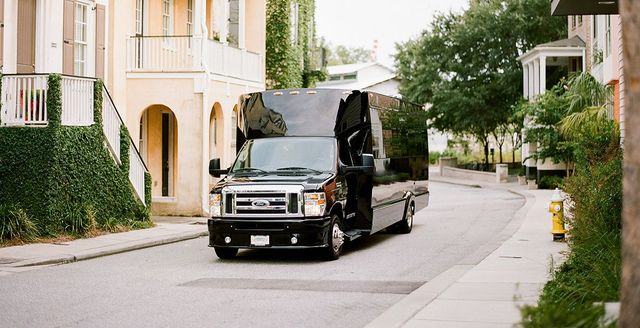
Organizing travel for a large group can be challenging when schedules, convenience, and coordination must work in harmony. Whether the occasion is corporate, social, or celebratory, transportation logistics often shape the first and last impressions of the experience. An organized transportation strategy alleviates stress, ensures timeliness, and promotes comfort for guests. Group transportation is not just about moving people from one place to another, but about maintaining flow and professionalism throughout the event. Seamless planning lets guests enjoy the occasion without distraction from transportation challenges. Well-planned travel becomes an integrated element of the event.
Lowcountry Valet knows that attention to detail is crucial for smooth group coordination. Coordinating groups over time proves that organization, clear updates, and flexibility produce exceptional results. Guests should experience travel as seamless, while significant planning occurs behind the scenes. Anticipating needs ahead of time allows schedules to remain intact and expectations to be exceeded. Properly managed travel reinforces the event’s quality and sets the desired mood. This advice aids planners in achieving flawless, memorable group experiences.
Defining the Scope for Group Travel
The first step in managing group transportation successfully is understanding the full scope of the event. This includes knowing how many guests will be attending, the nature of the event, and the overall timeline involved. Recognizing variations in transportation needs ensures smoother planning. Guest expectations, arrival times, and departure windows all play an important role in shaping the plan. Early definition of these elements allows transport to support the event’s rhythm. A detailed overview provides a strong foundation for every decision that follows.
Guest experience while traveling is as important as the event itself. The journey helps build excitement and establishes the expected level limousine packages of formality. Knowing the tone—sophisticated or casual—guides vehicle choices and timing. The number of attendees is only part of the picture; multiple stops or staggered schedules require consideration. Careful planning ensures all guests are accommodated. Mindful planning ensures transportation complements the occasion.
Developing a Structured Travel Schedule
A structured schedule ensures travel remains organized. Creating precise transport windows balances consistency with adaptability. A timeline should reflect the event agenda and account for transitions between locations. Matching transit with the timeline reduces interruptions and improves flow. Planning buffer time between movements reduces stress and helps accommodate unexpected changes. A thoughtful timeline keeps the entire group moving together without feeling rushed.
Sharing the schedule ensures the timeline works smoothly. Everyone involved should understand where they need to be and when transportation will arrive. Transparency avoids misunderstandings and missed transfers. Timely communication ensures guests feel confident and prepared. The schedule guides transportation personnel and organizers alike. When everyone operates from the same plan, logistics feel seamless and organized.
Selecting the Right Vehicles for Group Needs
Vehicle choice significantly impacts the smoothness of group logistics. Group numbers, travel distance, and comfort expectations shape the selection. Vehicles should offer ample space so guests can travel comfortably without feeling crowded. Amenities inside vehicles enhance the travel experience. Choosing transport in line with the event’s style maintains a cohesive look. Proper vehicle selection ensures that transportation enhances rather than detracts from the occasion.
Consider how easily guests can enter and exit in addition to seating. Diverse guest needs require careful coordination and consideration. Vehicles that support smooth boarding and disembarking keep schedules intact and guests at ease. Visual consistency among vehicles can also create a cohesive look for the event. When the transportation fleet feels unified, it adds to the overall polish of the experience. Careful planning of logistics shows dedication to attendees.
Overseeing Expert Drivers and Support Teams
Professional chauffeurs are central to executing smooth group transportation logistics. With experience, chauffeurs can handle unexpected situations and adjust as needed. Clear coordination ensures that chauffeurs understand the event schedule and guest expectations. At this stage, Lowcountry Valet integrates detailed planning with skilled service to maintain a calm and organized flow throughout the event. Skilled driving supports on-time arrivals, safe travel, and guest satisfaction. Well-managed coordination instills trust among organizers and guests.
Operational support ensures reliability throughout the event. Continuous updates among staff and drivers allow quick corrections. Being flexible allows the schedule to stay intact despite unexpected shifts. Knowledgeable chauffeurs deliver calm and dependable service. Blending planning with flexibility keeps group travel dependable. Such strategy reduces interruptions and enhances attendee satisfaction.
Ensuring Clear Communication with Guests
Effective messaging to guests ensures transportation success. Offering clear guidance ensures attendees understand timing and locations. When details are shared in advance, guests arrive prepared and confident. Uniform communication minimizes confusion and inquiries. Guidelines should be direct but comprehensive, covering all key logistics. Well-informed guests contribute to smoother logistics overall.
Sending reminders near the event enhances organization. Notifications keep all attendees on schedule. This proactive approach demonstrates organization and attention to detail. Attendees value straightforward guidance during group transit. Clear messaging builds confidence and collaboration among guests. Guided participants allow logistics to function seamlessly.
Allowing for Adaptability in Group Travel
Unexpected developments can occur despite thorough preparation. Flexible planning lets the event proceed seamlessly during minor adjustments. Including buffer periods mitigates delays and reduces tension. Anticipating potential challenges helps planners respond calmly and efficiently. Adaptable planning maintains reliable travel under varying circumstances. Adaptability reflects thorough, effective planning.
Planning ahead requires protocols for unforeseen circumstances. Defined communication methods reduce disruption during changes. Responsive plans maintain flow and attendee satisfaction. Group travel should appear seamless regardless of adjustments. This resilience enhances the event’s professionalism. Guests are more likely to enjoy the experience when logistics remain smooth.
Elevating the Group Event Experience
How attendees travel greatly influences the event experience. A smooth ride sets a positive tone and reinforces the quality of the event. Ease, timeliness, and expert service enhance attendee enjoyment. Travel must integrate naturally into the event rather than feel separate. Coordinated travel enhances the flow and tone of the event. Attention to detail improves the overall guest journey.
In the final stages of the event, transportation leaves a lasting impression. Smooth send-offs leave a favorable final impression. Lowcountry Valet maintains the same quality for departures as arrivals for a cohesive experience. Participants notice and enjoy a polished exit process. Careful coordination underscores the importance of professional travel management. A well-executed departure completes the event experience with confidence and ease.